Quick answer: Documentary filmmaking tips: finding a story and access, interviews, observational filming, B-roll, sound, ethics and shaping the story in the edit.
Documentaries capture real people and real events. They require patience, empathy and strong technical skills, because you can't ask reality for a second take.
Find the story
A good documentary has a central question, characters we care about and some change or tension. Ask: why this story, why now and why me?
Gain access and trust
Spend time with your subjects before filming. Trust leads to honest moments. Explain what you're making and how it will be used.
Interviews
- Prepare open questions ("Tell me about…")
- Frame the subject slightly off-centre, looking just past the camera
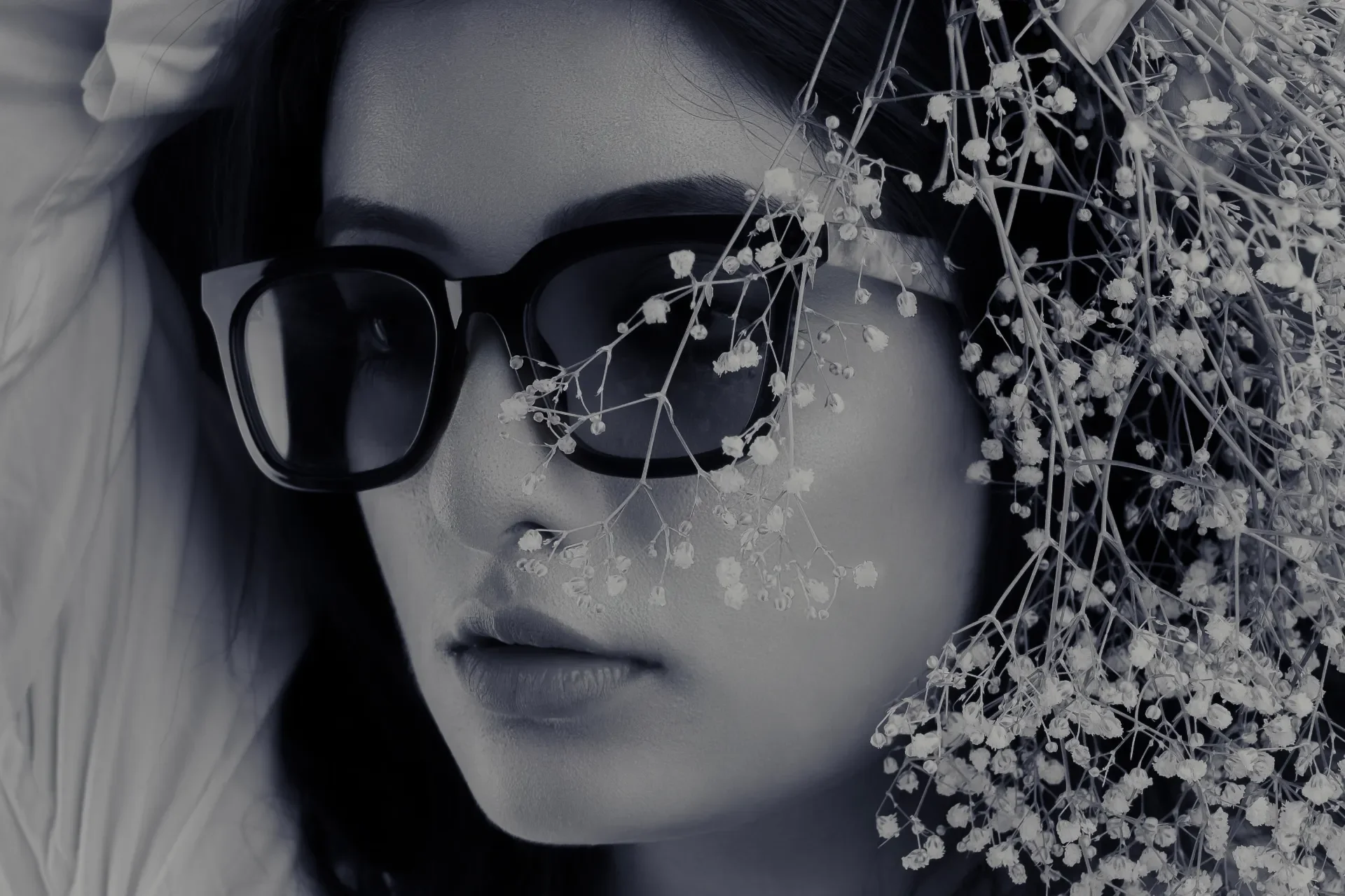
- Use soft, flattering light
- Record clean audio with a lavalier mic
- Stay silent after answers; the best moments often follow
Observational filming
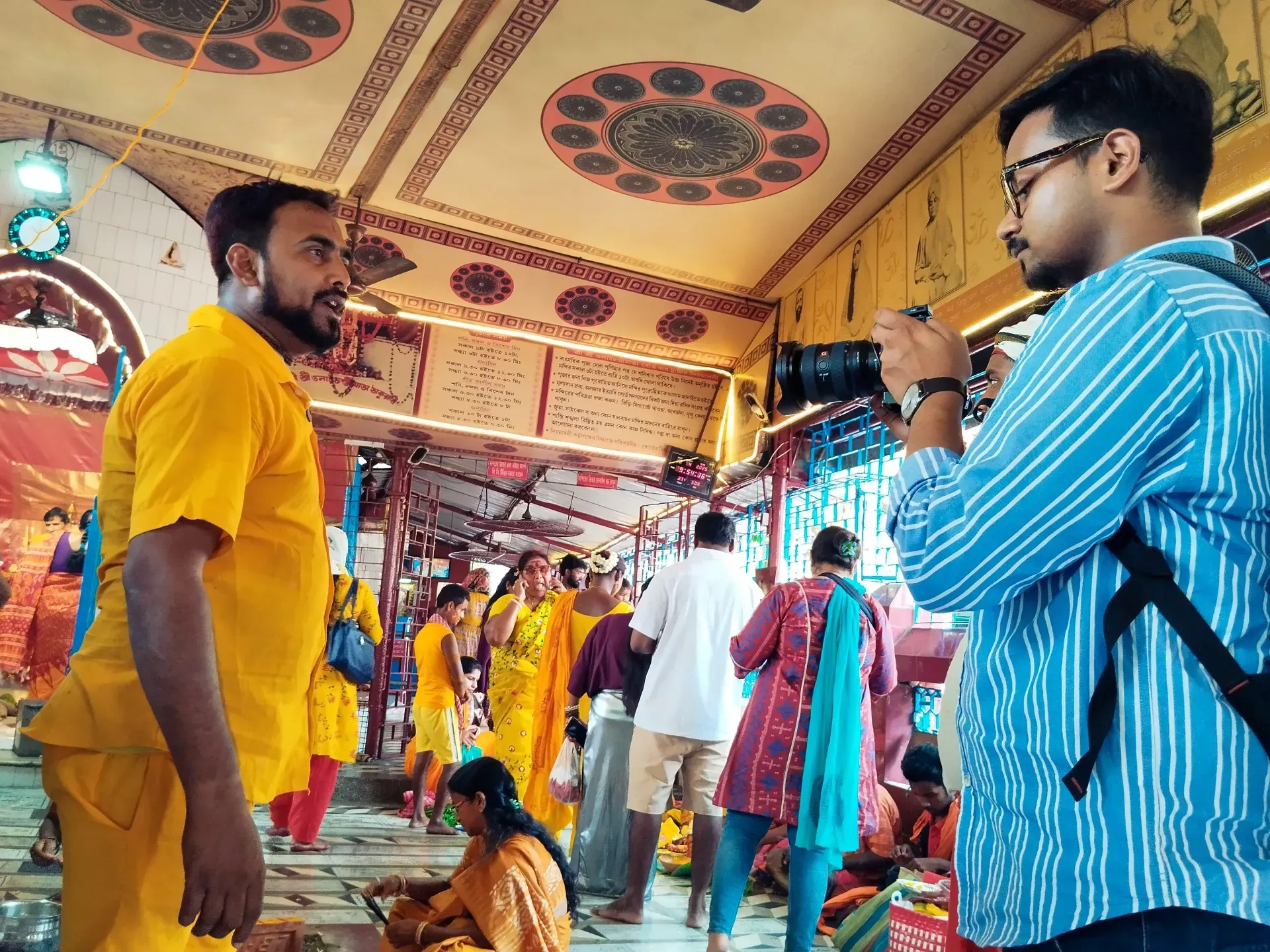
Let scenes unfold. Anticipate action, stay steady and shoot long takes. Keep the camera ready; moments don't wait.
B-roll tells the story visually
Shoot plenty of B-roll: places, hands, details, routines and atmosphere. Editors need it to cover interviews and build sequences.
Sound
Clean sound is essential. Carry a shotgun mic and lavaliers, monitor with headphones and record ambient sound at every location.
Ethics
- Get informed consent
- Respect privacy and dignity
- Represent people fairly
- Be careful with vulnerable subjects
Shape the story in the edit
Documentaries are often "written" in the edit. Log footage, find the strongest moments and build a structure with a beginning, development and resolution.
Documentary subjects around Bengal
Kumortuli's idol makers, Shantipur's weavers, life in the Sundarbans, river communities and festival traditions all offer rich documentary stories.
Learn documentary skills
RAP Education's cinematography program covers interview lighting, camera handling, sound awareness and editing, the core skills of documentary filmmaking.
Frequently asked questions
How do I start making a documentary?
Find a story with a clear question and characters, build trust with subjects and plan interviews and observational filming.
What equipment do I need for documentaries?
A reliable camera, a versatile lens, a tripod, lavalier and shotgun microphones and headphones.
How do I film documentary interviews?
Prepare open questions, use soft light, frame the subject looking just past the camera and record clean audio.
What is B-roll?
Supporting footage of places, actions and details used to cover interviews and build sequences.
Why is sound important in documentaries?
Interviews and atmosphere carry much of the story, so poor audio badly hurts the film.
What are documentary ethics?
Informed consent, respect for privacy and dignity, fair representation and care with vulnerable people.
Where is a documentary shaped?
Largely in the edit, where footage is logged and structured into a story.
Does RAP Education teach documentary filmmaking skills?
Yes. The cinematography program covers interview lighting, camera work, sound awareness and editing.
- #documentary film
- #interview filming
- #b-roll
- #observational filmmaking
Photography courses near you: