Quick answer: The exposure triangle explained simply: how aperture, shutter speed and ISO control brightness, and the creative side effects of each, with practical examples.
Every photograph is a balance of three settings: aperture, shutter speed and ISO. Together they form the exposure triangle. Understanding it is the single most important step from "pointing and shooting" to real photography.
Exposure in one sentence
Exposure is how much light reaches the sensor. Too much and the image is too bright (overexposed); too little and it's too dark (underexposed).
1. Aperture: the size of the opening
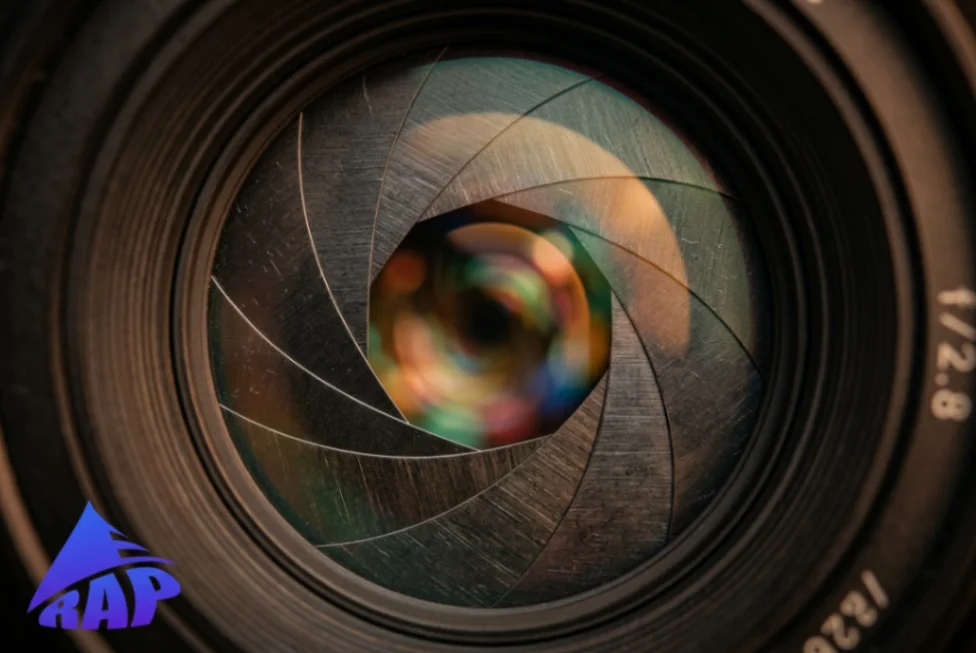
Aperture is the opening inside the lens, measured in f-numbers: f/1.8, f/2.8, f/4, f/5.6, f/8, f/11, f/16.
- Smaller f-number (f/1.8) = bigger opening = more light
- Larger f-number (f/16) = smaller opening = less light
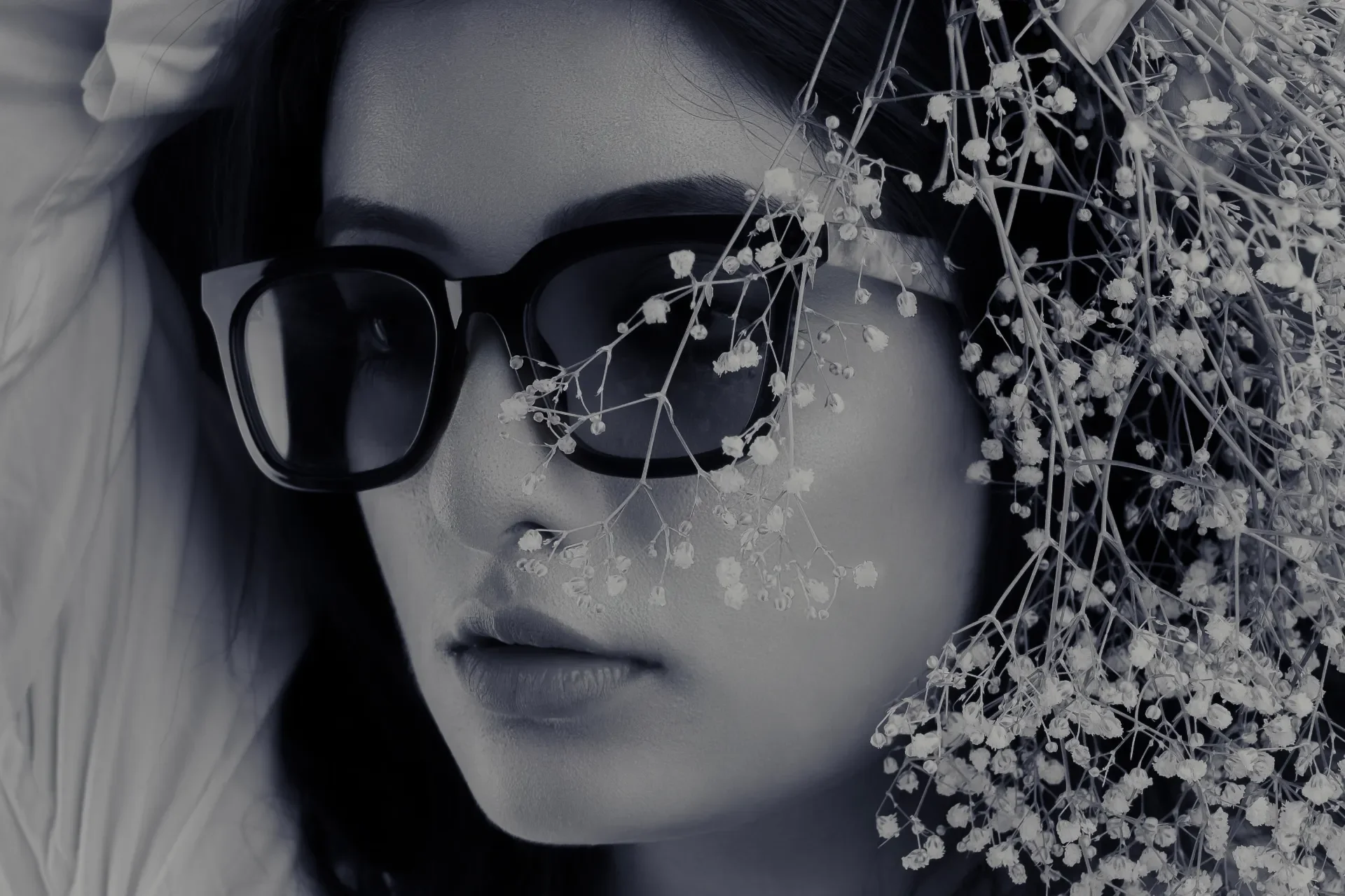
Creative effect: depth of field. Wide apertures blur the background (portraits); narrow apertures keep everything sharp (landscapes).
2. Shutter speed: how long the sensor sees light
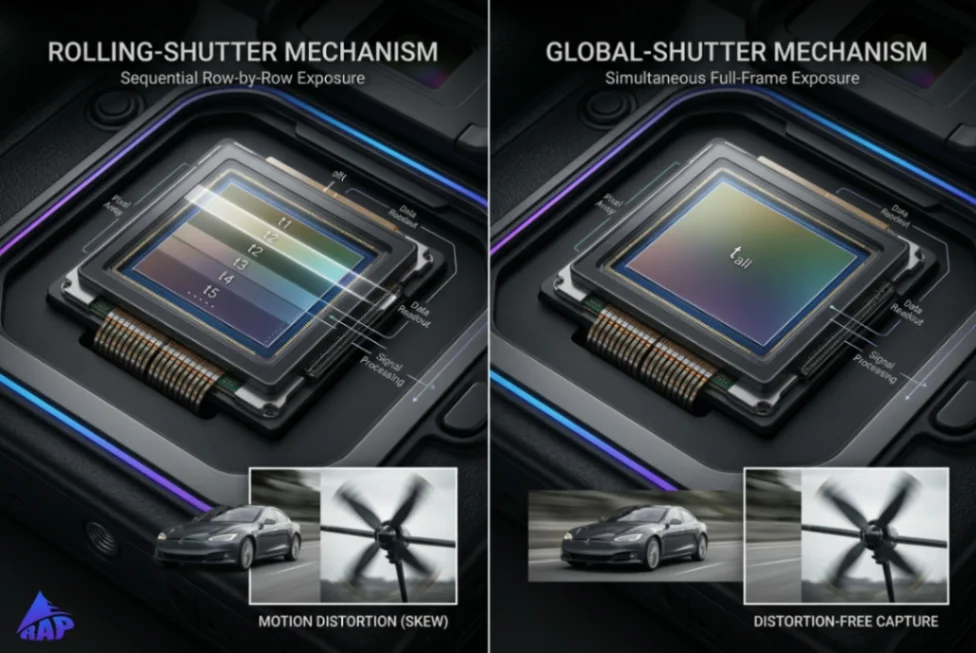
Shutter speed is measured in seconds or fractions: 1/1000s, 1/250s, 1/60s, 1s, 10s.
- Faster speed = less light
- Slower speed = more light
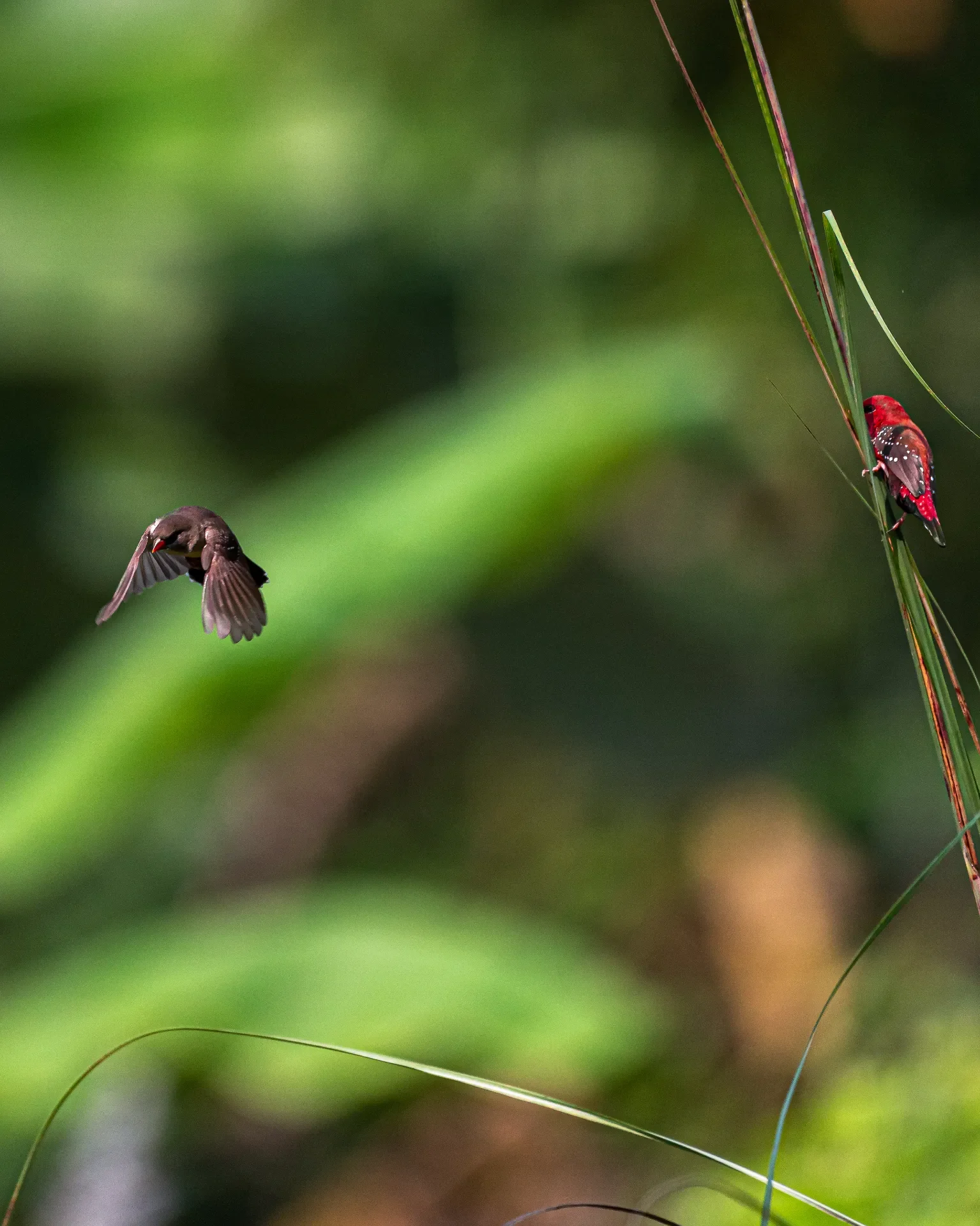
Creative effect: motion. Fast speeds freeze action; slow speeds create motion blur, from silky waterfalls to light trails.
3. ISO: the sensor's sensitivity
ISO values typically range from 100 to 6400 and beyond.
- Higher ISO = brighter image
- Side effect: more noise (grain) and less dynamic range
Rule of thumb: use the lowest ISO that gives you the aperture and shutter speed you need.
How the three balance
Each full "stop" doubles or halves the light. If you open the aperture one stop, you can make the shutter speed one stop faster and keep the same exposure.
| Change | Effect on light | To compensate |
| f/4 → f/2.8 | Double | Shutter 1/125 → 1/250 |
| 1/125 → 1/60 | Double | ISO 400 → 200 |
| ISO 200 → 400 | Double | f/4 → f/5.6 |
Choosing what to prioritise
- What matters most in this photo? Background blur → aperture. Motion → shutter speed.
- Set that first.
- Adjust the others to get the right brightness.
Examples
- Portrait in shade: f/2, 1/250s, ISO 400
- Landscape at sunset on a tripod: f/8, 1/15s, ISO 100
- Football match: f/2.8, 1/1000s, ISO 1600
- Waterfall: f/11, 1s, ISO 100 with an ND filter
Use the meter and histogram
Your camera's light meter suggests an exposure; the histogram shows whether highlights or shadows are clipped. Use exposure compensation when the scene is very bright (snow, white walls) or very dark.
Practise it
Choose one subject and photograph it at different combinations. You'll understand the triangle faster by shooting than by reading. RAP Education's 3-month foundation course drills exactly this, hands-on with professional cameras.
Frequently asked questions
What is the exposure triangle?
The relationship between aperture, shutter speed and ISO, the three settings that control how bright a photo is.
What does aperture do in photography?
It controls how much light enters the lens and how much of the scene is in focus (depth of field).
What does shutter speed control?
How long the sensor is exposed, which affects brightness and whether motion is frozen or blurred.
What is ISO in a camera?
The sensor's sensitivity setting. Higher ISO brightens the image but adds noise.
What is a stop in photography?
A doubling or halving of light. Each setting can be changed in stops to balance exposure.
Which setting should I set first?
The one that matters most creatively: aperture for depth of field, shutter speed for motion.
How do I avoid noise in photos?
Use the lowest practical ISO, expose correctly and add light when possible.
Where can I learn exposure hands-on?
RAP Education's 3-month foundation course teaches exposure with professional cameras and real assignments.
- #aperture
- #shutter speed
- #iso
- #exposure
- #photography basics
Photography courses near you: