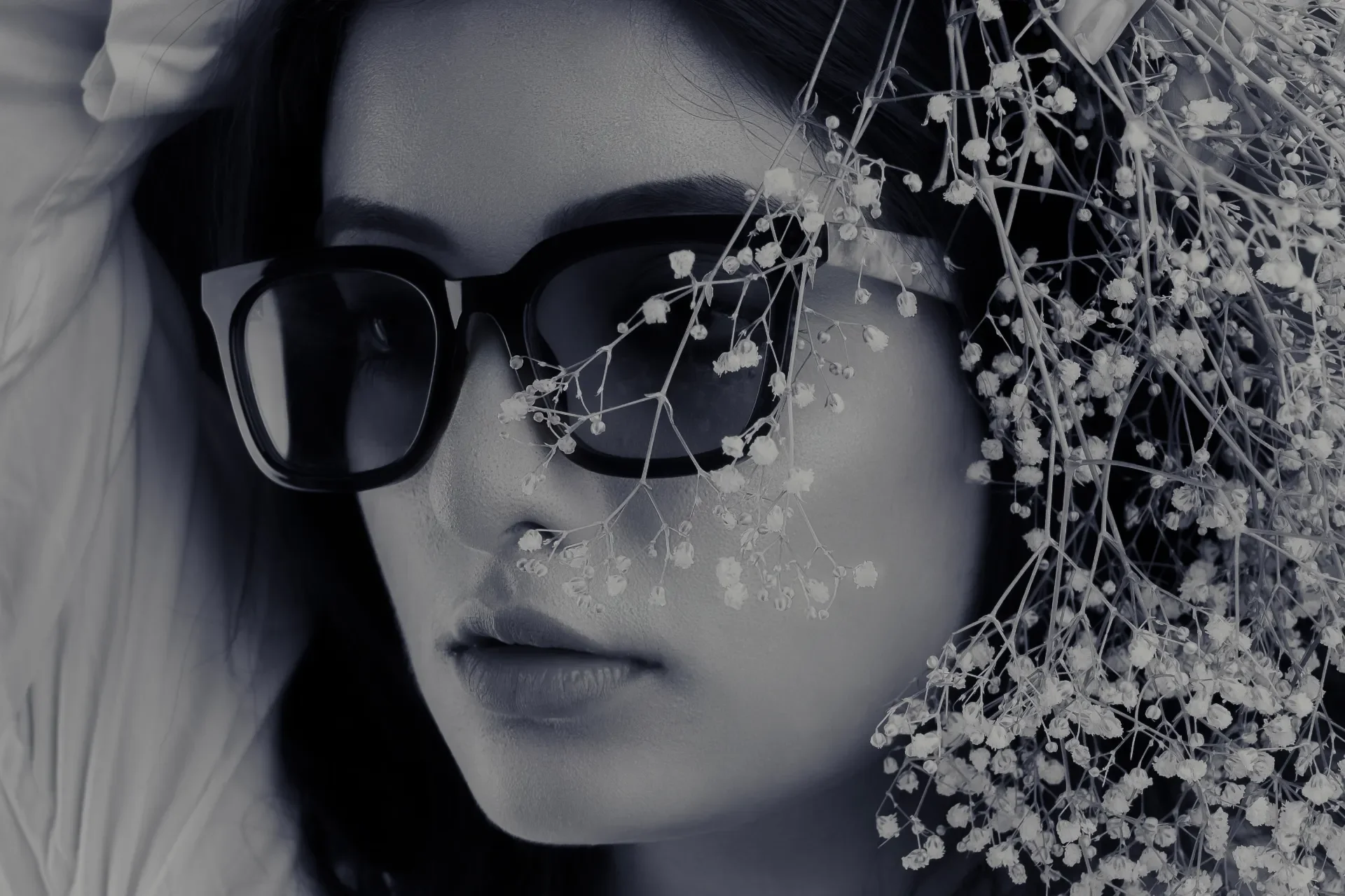
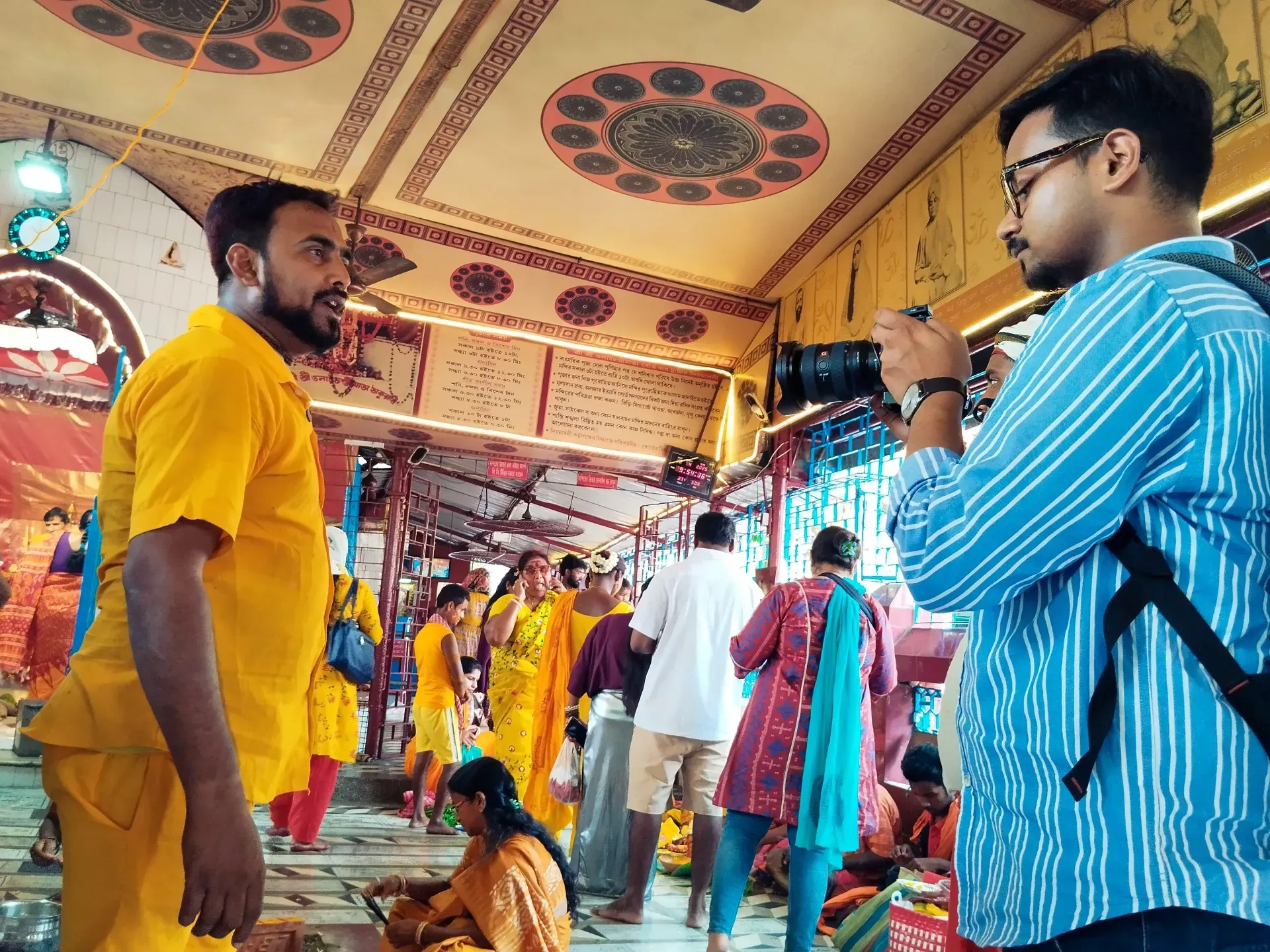
Taking an image is only one aspect of storytelling photography; another is capturing feelings, experiences, and stories that the viewer can relate to. Without using words, a strong image can convey a message and help viewers relate to the subject more deeply. Whether it’s a street snapshot, portrait or documentary, storytelling photography aims to evoke emotion and captivate the mind. To master storytelling photography, a photographer must grasp lighting, composition and subject interaction. Every component of the frame, including the subject’s surroundings, the way light and shadows interact and the facial expressions of the subjects, should add to the narrative. With the ability to watch and anticipate, a photographer can capture moments of joy, suffering, solitude or love in a single picture.
Storytelling photography is used by journalistic and documentary photographers to highlight current events and by lifestyle and wedding photographers to capture memories. To make their commercials more approachable, even commercial firms employ storytelling strategies. Don't just buy an expensive camera and start work as a photographer.
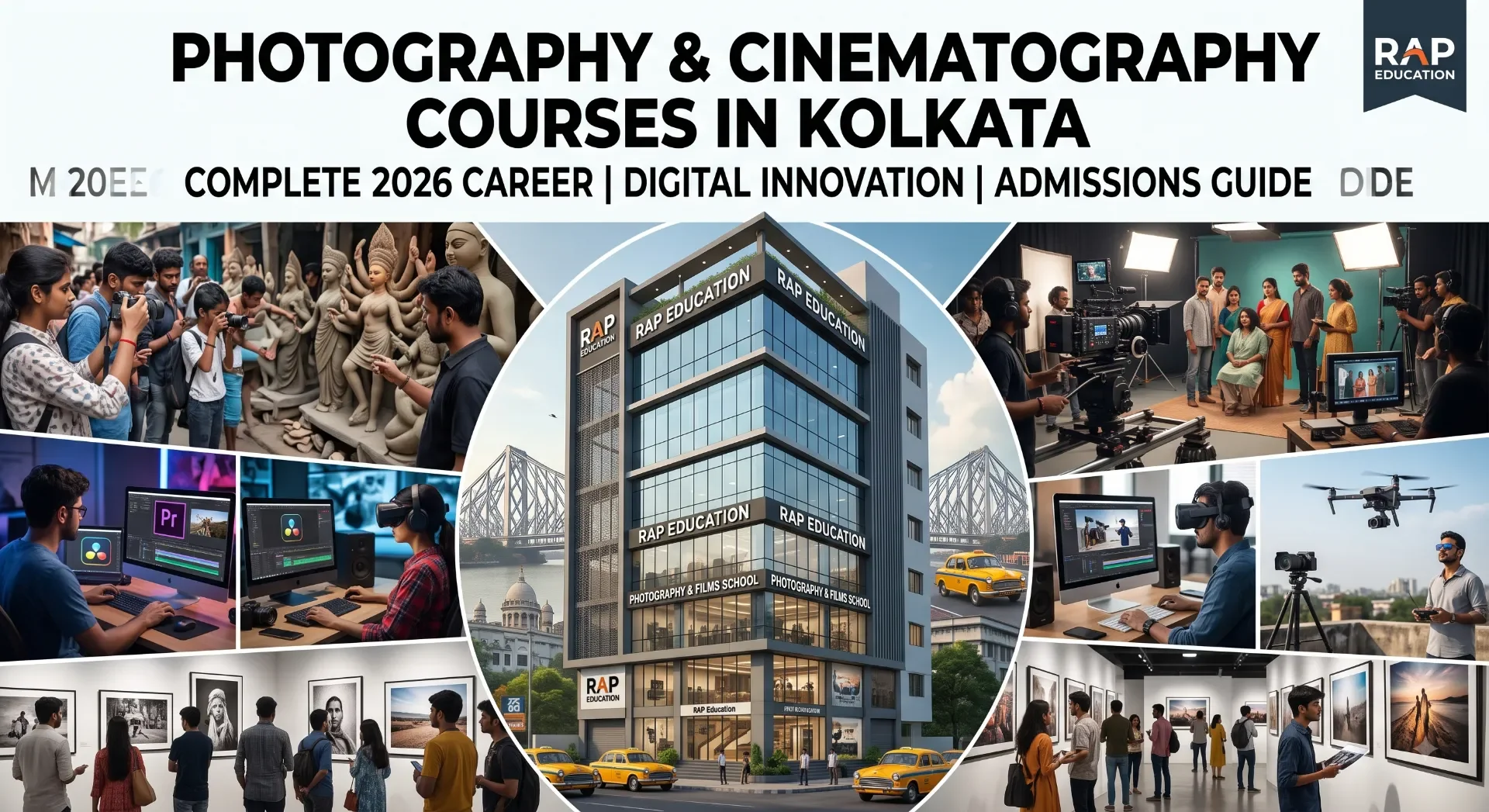
Many photography institutes like Rap Education Photography School teach how to become an actual photographer, not just an accidental photographer. Storytelling photography is still an effective medium for spreading ideas, initiating change and leaving a lasting impression in a time where visual content predominates. Gaining proficiency in this field can improve a photographer’s output and produce genuinely remarkable photographs. So, don't just rush and choose how to become a professional in this field wisely.
- #visual content
- #Gaining proficiency
- #master storytelling photography
- #storytelling strategies