
Quick answer: Full frame vs APS-C explained: crop factor, field of view, depth of field, low-light performance, lens costs and which sensor size suits your photography.
"Should I buy full frame?" is one of the most common questions photographers ask. Sensor size does affect your images, but not always in the ways people expect. Here's a clear explanation.
What is sensor size?
- Full frame sensors are about 36 × 24 mm, the same size as a 35mm film frame.
- APS-C sensors are smaller, roughly 23–24 × 15–16 mm depending on the brand.
Crop factor
Because an APS-C sensor is smaller, it "sees" a narrower part of the image projected by the lens. That's the crop factor, about 1.5x on many systems (1.6x on some).
So a 50mm lens on APS-C gives a field of view similar to about 75mm on full frame.
| Lens | On full frame | On APS-C (approx. 1.5x) |
| 24mm | Wide | Moderately wide (~36mm) |
| 50mm | Standard | Short telephoto (~75mm) |
| 200mm | Telephoto | Longer telephoto (~300mm) |
That extra "reach" is why many wildlife and sports photographers like APS-C.
Depth of field
At the same framing and aperture, full frame produces a shallower depth of field, so more background blur. It's useful for portraits, but fast lenses on APS-C also give beautiful blur.
Low light and noise
Full-frame sensors generally handle high ISO better, with less noise. That matters for weddings, events, concerts and night work. Modern APS-C sensors are still very good up to fairly high ISO.
Size, weight and cost
APS-C bodies and lenses are usually smaller, lighter and cheaper. Full-frame lenses, especially fast zooms and telephotos, can cost a lot.
Dynamic range
Full frame often has a slight advantage in dynamic range, which helps in high-contrast scenes. For most work, both are excellent.
Which should you choose?
- Beginners and travellers: APS-C gives excellent value and portability.
- Wildlife and sport on a budget: APS-C's crop factor gives extra reach.
- Weddings, events and low light: full frame has a real advantage.
- Shallow depth-of-field portraits: full frame is easier, but fast APS-C lenses work well.
- Professional video: both work; the camera's video features matter more.
The hidden cost of full frame
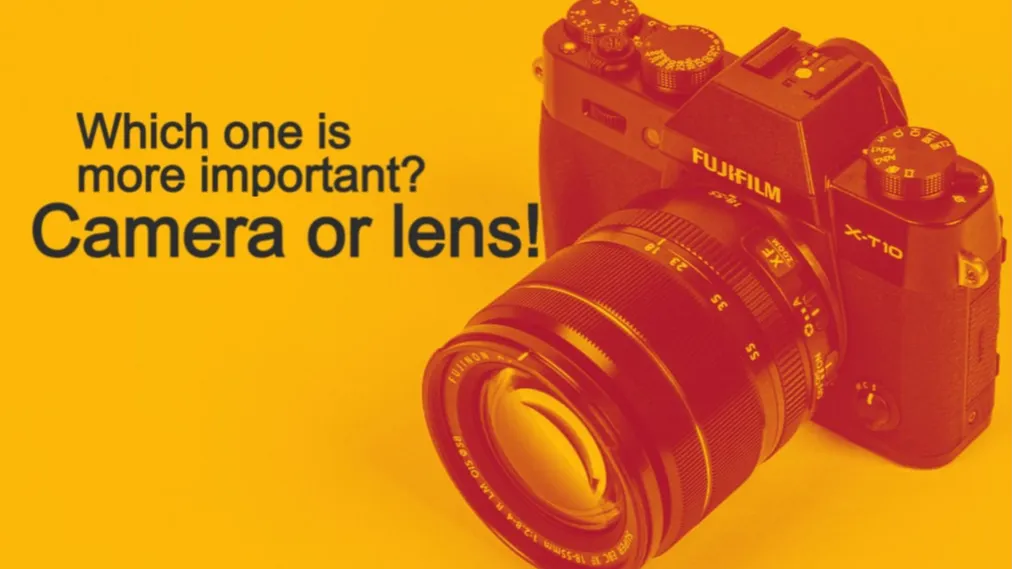
A full-frame body with poor lenses often produces worse images than an APS-C body with excellent lenses. Budget for the whole system, not just the body.
Learn on both
Understanding sensors, crop factor and depth of field is part of RAP Education's foundation and professional programs, where students learn camera technology hands-on with professional Sony equipment.
Frequently asked questions
What is the difference between full frame and APS-C?
Full-frame sensors are about 36 × 24 mm; APS-C sensors are smaller, which crops the field of view by about 1.5x on many systems.
What is crop factor?
Crop factor describes how much a smaller sensor narrows the field of view compared with full frame, around 1.5x or 1.6x for APS-C.
Is full frame better for low light?
Generally yes. Full-frame sensors usually show less noise at high ISO.
Is APS-C good enough for professional work?
Yes. Many professionals use APS-C, especially for wildlife, sport, travel and content work.
Does full frame give more background blur?
At the same framing and aperture, yes. Fast lenses on APS-C also produce beautiful blur.
Can I use full-frame lenses on APS-C cameras?
Usually yes within the same system, with the crop factor applied to the field of view.
Which sensor is better for wildlife photography?
APS-C's crop factor gives extra reach with the same lens, which many wildlife photographers like.
Should a beginner buy a full-frame camera?
Not necessarily. A good APS-C body with quality lenses often gives better value for beginners.
- #crop sensor
- #sensor size
- #crop factor
- #full frame camera
Photography courses near you: