Quick answer: A practical photography equipment list for beginners: essentials to buy first, useful extras, lighting basics and gear that can wait until you know your niche.
It's easy to spend a fortune on photography gear and still take average pictures. The smart approach is to buy the essentials, master them, then add equipment as your work demands it. Here's a practical list.
Essentials
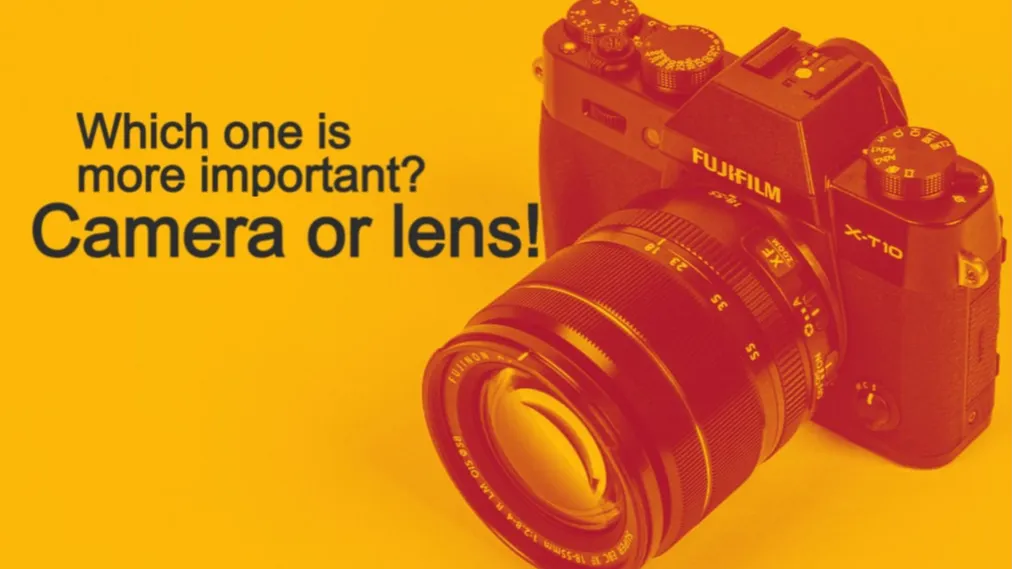
- Camera body: a reliable interchangeable-lens camera with a good lens system. (See our first camera guide.)
- One or two lenses: a versatile zoom and/or a fast prime.
- Spare battery: batteries always run out at the worst moment.
- Fast memory cards: at least two, from a reputable brand.
- Camera bag: padded, comfortable and weather-resistant.
- Cleaning kit: blower, microfibre cloth and lens pen.
- Editing software and a backup drive.
Very useful extras
- Tripod: for landscapes, night, long exposure, product shots and video.
- Reflector (5-in-1): cheap and transforms portraits in natural light.
- External flash: essential for events and weddings, and a gateway to off-camera lighting.
- UV/protective filter: optional lens protection.
- Polariser: deeper skies and fewer reflections for landscapes and travel.
Lighting basics (when you're ready)
- One or two off-camera flashes or strobes
- A softbox or umbrella
- Light stands
- A wireless trigger
- An LED light for video
Learn lighting in a studio before buying. It saves expensive mistakes.
Video add-ons
- An external microphone
- A gimbal or stabiliser
- ND filters for shooting at cinematic shutter speeds in daylight
Gear that can wait
- Expensive telephoto or specialist lenses (rent them first)
- Second camera body (essential later for weddings, not at the start)
- Large studio setups
- Drones (check the local regulations first)
A sample beginner kit
| Item | Purpose |
| Mirrorless body + standard zoom | Everyday photography |
| 50mm-equivalent f/1.8 prime | Portraits and low light |
| 2 batteries, 2 cards | Reliability |
| Tripod | Night, landscape, product, video |
| 5-in-1 reflector | Better natural-light portraits |
| Backup drive | Protect your work |
Learn first, buy smarter
At RAP Education, students learn on professional Sony cameras, lenses, studio strobes and continuous lights during class, so they know exactly what to buy (and what not to).
Frequently asked questions
What equipment does a beginner photographer need?
A camera body, one or two lenses, spare battery, memory cards, a bag, a cleaning kit, editing software and a backup drive.
Do beginners need a tripod?
It's very useful for landscapes, night photography, product shots and video, though not essential on day one.
Should I buy a flash as a beginner?
Once you know the basics, an external flash is one of the most useful additions, especially for events and portraits.
What lighting equipment should I buy first?
An off-camera flash or strobe, a softbox or umbrella, a light stand and a trigger. Learn in a studio before buying.
Do I need a second camera body?
Not at the start. It becomes essential later for weddings and professional events.
What gear is needed for video?
An external microphone, a gimbal or tripod and ND filters, plus an LED light for interviews.
Is it better to rent expensive lenses?
Yes, rent specialist lenses until you use them regularly enough to justify buying.
Does RAP Education provide equipment during the course?
Yes. Students use professional Sony cameras, lenses and studio lighting during classes.
- #photography gear list
- #camera accessories
- #beginner photography kit
Photography courses near you: